
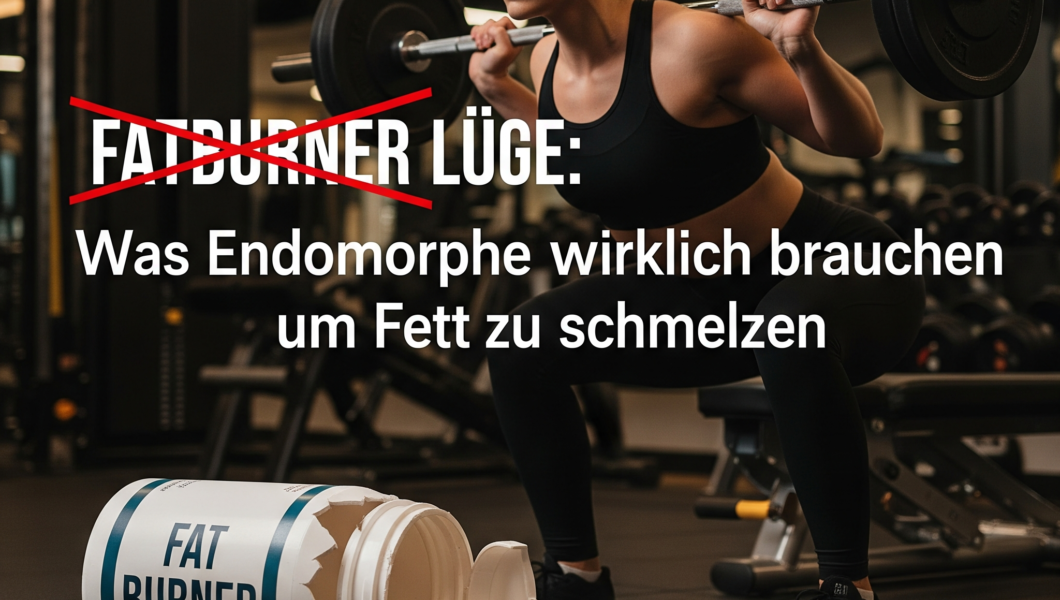
Fatburner Lüge: Was Endomorphe wirklich brauchen um Fett zu schmelzen
Fatburner Lüge: What Endomorphs Really Need to Melt Fat Effectively
The concept of the „fat burner lie“ has gained traction in the fitness community, particularly among those with an endomorphic body type. Endomorphs often struggle with fat loss due to their unique metabolic characteristics, which can make traditional fat-burning supplements less effective. This article will explore what endomorphs truly need to achieve effective fat loss, focusing on dietary strategies, workout routines, and lifestyle factors that can enhance their results. By understanding the specific challenges faced by endomorphs, readers will learn how to tailor their approach to fat loss for optimal success. We will delve into the metabolic challenges of endomorphs, the limited effectiveness of fat burner supplements, and the best practices for diet and exercise.
Research further emphasizes that individual body types, including endomorphs, exhibit distinct metabolic and hormonal responses to diet and exercise, highlighting the complexity of weight management.
Endomorph Weight Management: Metabolic & Lifestyle Factors
Body types—ectomorph, mesomorph, and endomorph—provide a framework for understanding the differences in fat storage, muscle development, and energy expenditure, as each type responds uniquely to caloric intake and exercise. Variability in weight outcomes is influenced by factors such as genetic polymorphisms and epigenetic changes in hormonal signaling pathways and metabolic processes, as well as lifestyle factors, including nutrition, exercise, sleep, and stress.
Beyond calories: individual metabolic and hormonal adaptations driving variability in weight management—a state-of-the-art narrative review, N Theodorakis, 2024
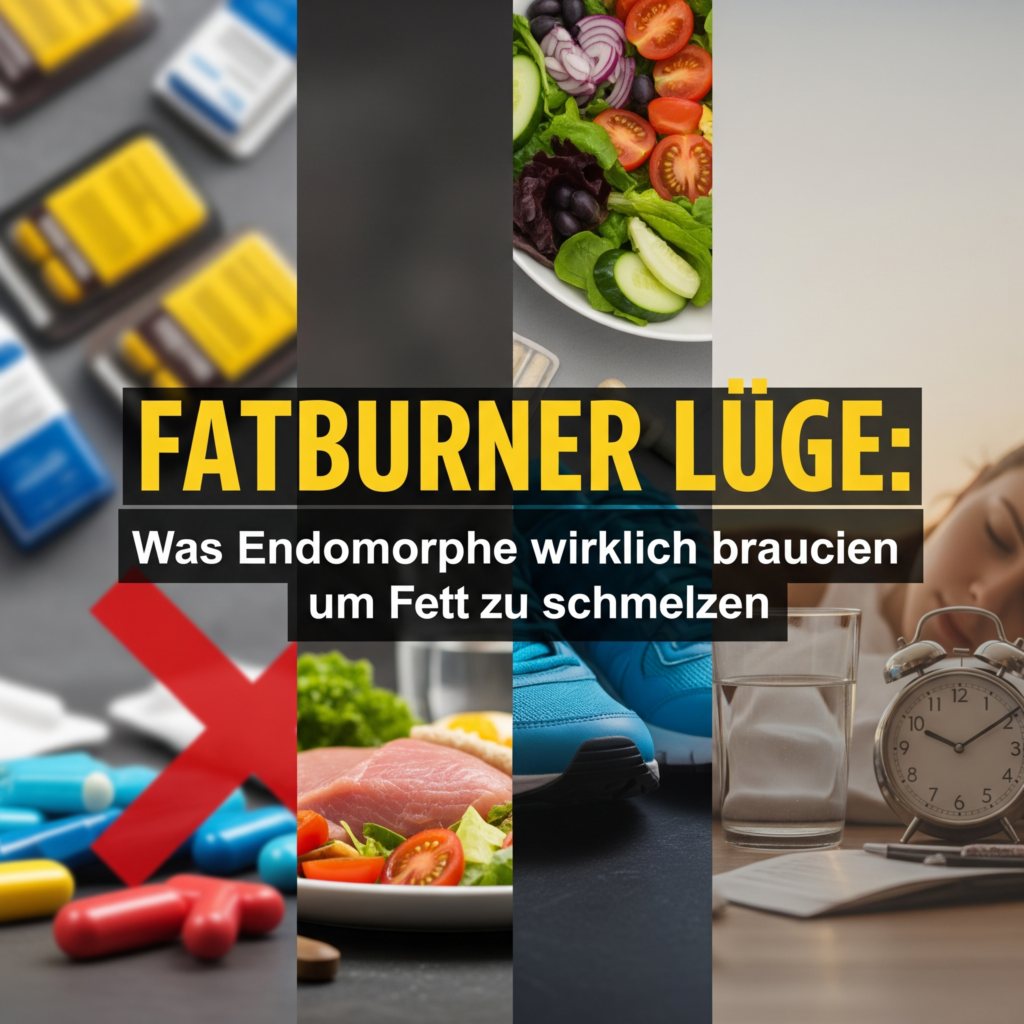
What Defines the Endomorph Body Type and Its Metabolic Challenges?
The endomorph body type is characterized by a higher percentage of body fat, a wider waist, and a tendency to store fat more easily than other body types. This body type often faces unique metabolic challenges that can hinder fat loss efforts. Endomorphs are often described as having a slower metabolism, which means they may burn calories at a reduced rate compared to ectomorphs or mesomorphs. This slower metabolic rate can contribute to difficulties in achieving and maintaining a healthy weight.
What Are the Key Traits of Endomorphs?
Endomorphs exhibit several key traits that distinguish them from other body types:
- Tendency to Store Fat: Endomorphs are more prone to accumulating body fat, particularly around the abdomen and hips.
- Metabolic Characteristics: Their metabolic rate may be lower on average, making it harder to burn calories efficiently.
- Larger Bone Structure: Endomorphs often have a broader frame, which can contribute to a higher overall body weight.
Understanding these traits is crucial for developing effective fat loss strategies tailored to the endomorphic body type.
How Does Metabolism Affect Fat Loss in Endomorphs?
Metabolism plays a significant role in fat loss for endomorphs. The potentially slower metabolic rate means that endomorphs may require fewer calories to maintain their weight, making it essential to monitor caloric intake closely. Additionally, some endomorphs may experience insulin resistance or reduced insulin sensitivity, which can further complicate fat loss efforts. Insulin resistance can lead to increased fat storage and difficulty in mobilizing fat for energy. Therefore, understanding the relationship between metabolism and fat loss is vital for endomorphs seeking to achieve their weight loss goals.
Why Are Fat Burner Supplements Ineffective for Endomorphs?
Many endomorphs turn to fat burner supplements in hopes of accelerating their weight loss. However, these products often fail to deliver the promised results. The marketing claims surrounding fat burners can be misleading, leading consumers to believe that these supplements are a magic solution for fat loss.
What Is the Truth Behind Fat Burner Marketing Claims?
The truth is that many fat burner supplements lack strong scientific support for their effectiveness. Marketing tactics often exaggerate the benefits of these products, creating unrealistic expectations. Additionally, some fat burners may contain stimulants that can lead to temporary weight loss through increased energy expenditure, but these effects are often modest, short-lived, and can come with unwanted side effects.
What Natural Strategies Outperform Fat Burners for Fat Loss?
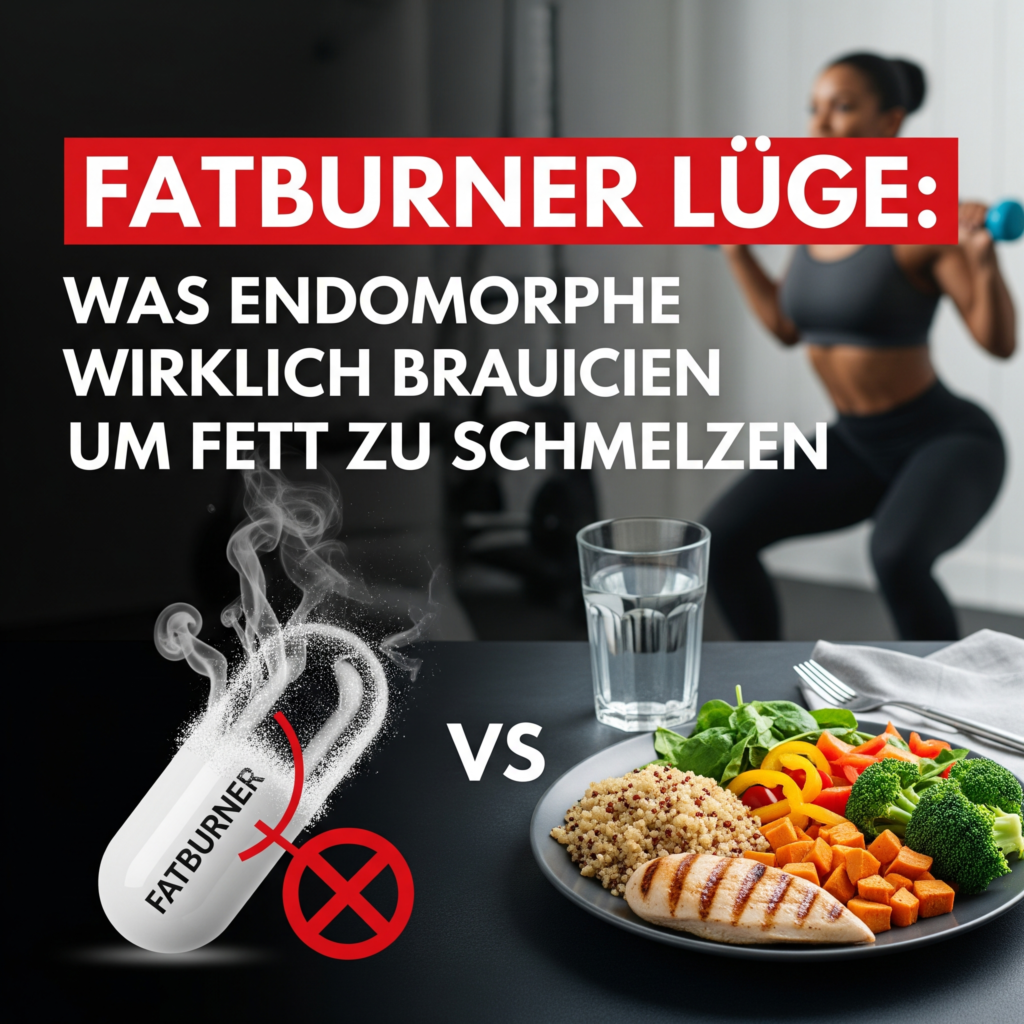
Instead of relying on fat burner supplements, endomorphs can achieve better results through natural strategies. These include:
- Dietary Changes: Focusing on whole, nutrient-dense foods can help regulate insulin levels and promote fat loss.
- Exercise Routines: Incorporating strength training and high-intensity interval training (HIIT) can boost metabolism and enhance fat burning.
- Lifestyle Modifications: Prioritizing sleep and stress management can improve overall metabolic health and support fat loss efforts.
By adopting these natural strategies, endomorphs can achieve sustainable fat loss without the need for ineffective supplements.
How Should Endomorphs Structure Their Diet for Sustainable Fat Loss?
Diet plays a crucial role in the fat loss journey for endomorphs. A well-structured diet can help regulate metabolism and support weight loss efforts.
What Macronutrient Ratios Support Fat Loss in Endomorphs?
Endomorphs may benefit from specific macronutrient ratios to optimize fat loss:
- Protein: A higher protein intake (around 30-40% of total calories) can help preserve muscle mass and promote satiety.
- Healthy Fats: Incorporating healthy fats (25-35% of total calories) can support hormone production and overall health.
- Carbohydrates: Moderating carbohydrate intake (20-40% of total calories) can help manage insulin levels and reduce fat storage.
These ratios can be adjusted based on individual preferences and activity levels, but maintaining a focus on protein and healthy fats is generally beneficial for endomorphs.
Which Foods Should Endomorphs Eat and Avoid?
Endomorphs can benefit from specific food choices that align with their dietary needs:
Foods to Include:
- Lean proteins (chicken, turkey, fish)
- Healthy fats (avocado, nuts, olive oil)
- Non-starchy vegetables (broccoli, spinach, kale)
Foods to Avoid:
- Processed carbohydrates (white bread, sugary snacks)
- High-sugar foods (sodas, candies)
- Refined grains (white rice, pasta)
By making informed food choices, endomorphs can create a sustainable diet that supports their fat loss goals.
What Workout Routines Best Support Fat Loss for Endomorphs?
Exercise is a critical component of any fat loss strategy, especially for endomorphs. A well-rounded workout routine can help boost metabolism and promote fat burning.
How Does Strength Training Benefit Endomorph Fat Loss?
Strength training is particularly beneficial for endomorphs as it helps build muscle mass, which in turn increases metabolic rate. By incorporating resistance exercises into their routine, endomorphs can enhance their body’s ability to burn calories even at rest. Additionally, strength training can improve body composition by reducing fat while preserving lean muscle.
What Role Does HIIT and Cardio Play in Endomorph Workouts?
High-intensity interval training (HIIT) and cardiovascular exercises are also effective for endomorphs. HIIT workouts can elevate heart rate and boost calorie burn in a shorter amount of time compared to traditional steady-state cardio. Regular cardio sessions can help improve cardiovascular health and support overall fat loss. Combining these workout types can create a balanced fitness regimen that maximizes fat-burning potential.
How Do Lifestyle Factors Influence Fat Loss Success for Endomorphs?
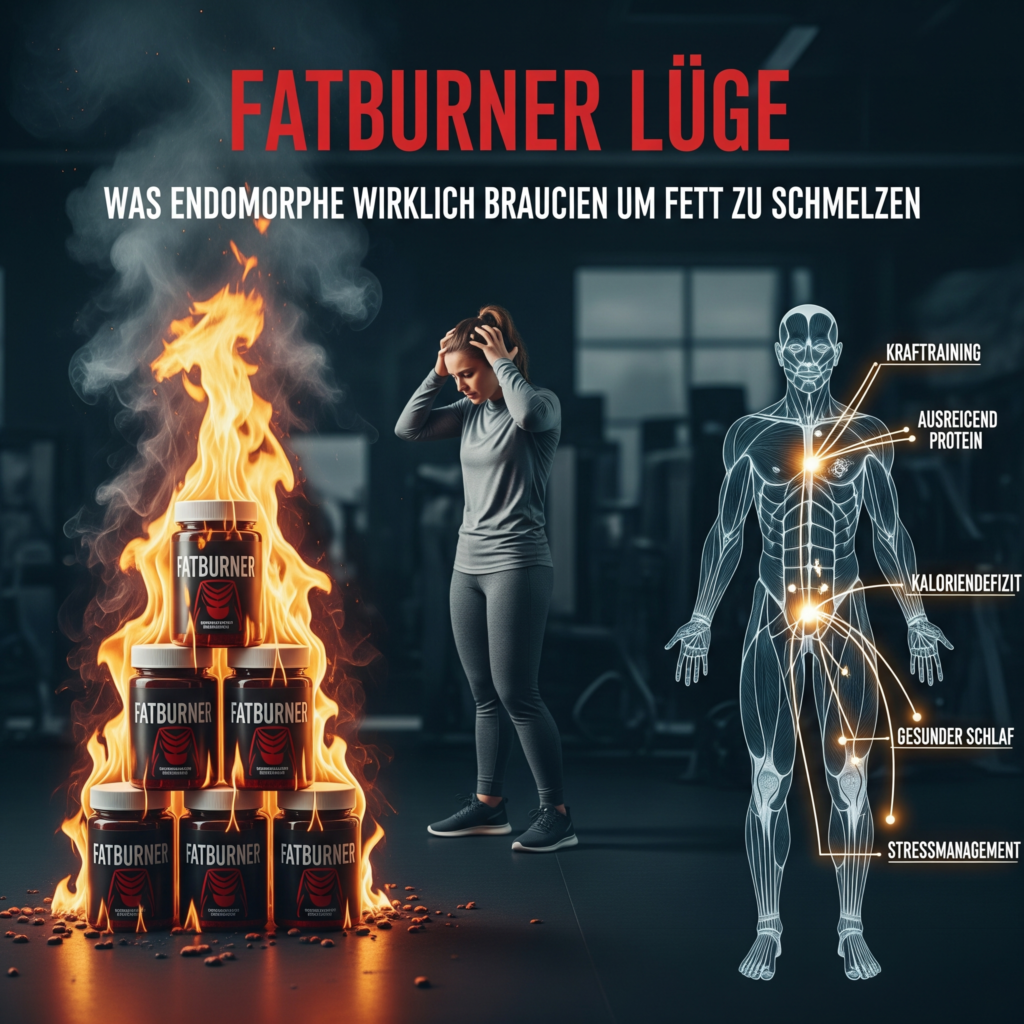
Lifestyle factors play a significant role in the fat loss journey for endomorphs. Addressing these factors can enhance overall success and sustainability.
Why Are Sleep and Stress Management Crucial for Endomorphs?
Quality sleep and effective stress management are essential for maintaining a healthy metabolism. Poor sleep can disrupt hormonal balance, leading to increased cravings and weight gain. Similarly, high stress levels can elevate cortisol, a hormone that promotes fat storage, particularly in the abdominal area. Prioritizing sleep hygiene and incorporating stress-reduction techniques, such as mindfulness or yoga, can significantly impact fat loss success.
How Do Hydration and Non-Exercise Activity Thermogenesis Affect Fat Loss?
Hydration is another critical factor in fat loss. Staying adequately hydrated can support metabolic processes and enhance exercise performance. Additionally, non-exercise activity thermogenesis (NEAT)—the calories burned through daily activities—can contribute to overall energy expenditure. Simple changes, such as taking the stairs or walking more, can increase NEAT and support fat loss efforts.
How Can Endomorphs Track Progress and Sustain Long-Term Fat Loss?
Tracking progress is vital for endomorphs to stay motivated and make necessary adjustments to their fat loss strategies.
What Metrics Are Most Effective for Monitoring Fat Loss?
Endomorphs should focus on several key metrics to monitor their progress effectively:
- Body Composition: Measuring body fat percentage can provide a clearer picture of fat loss than weight alone.
- Measurements: Tracking waist, hip, and other circumferences can help assess changes in body shape.
- Performance Metrics: Monitoring improvements in strength and endurance can indicate positive changes in fitness levels.
By focusing on these metrics, endomorphs can gain a comprehensive understanding of their progress.
How Can Endomorphs Build Sustainable Habits and Mindset?
Building sustainable habits is crucial for long-term success. Endomorphs should focus on creating a positive mindset around their fat loss journey. This includes setting realistic goals, celebrating small victories, and maintaining consistency in their diet and exercise routines. Developing a supportive environment, whether through social connections or professional guidance, can also enhance motivation and accountability.
| Trait | Description | Impact on Fat Loss |
|---|---|---|
| Tendency to Store Fat | Higher fat accumulation | Increases difficulty in losing weight |
| Slower Metabolism | Reduced calorie burn | Requires careful caloric management |
| Insulin Sensitivity Issues | Difficulty in mobilizing fat | Impacts energy utilization and fat storage |
This table highlights the key traits of endomorphs and their implications for fat loss strategies. Understanding these traits can help endomorphs tailor their approaches for better results.
Endomorphs face unique challenges in their fat loss journey, but with the right strategies, they can achieve their goals. By focusing on dietary adjustments, effective workout routines, and lifestyle factors, endomorphs can overcome the limitations of their body type and successfully melt away fat.
Frequently Asked Questions
What lifestyle changes can endomorphs implement to enhance fat loss?
Endomorphs can significantly benefit from lifestyle changes that promote overall health and support fat loss. Prioritizing quality sleep is essential, as poor sleep can disrupt hormonal balance and increase cravings. Additionally, managing stress through techniques like meditation or yoga can help lower cortisol levels, which are linked to fat storage. Incorporating more physical activity into daily routines, such as walking or taking the stairs, can also increase non-exercise activity thermogenesis (NEAT), further aiding in weight management.
How important is meal timing for endomorphs in their fat loss journey?
Meal timing can play a crucial role in the fat loss journey for endomorphs. Eating smaller, more frequent meals throughout the day can help stabilize blood sugar levels and prevent insulin spikes, which are particularly important for those with insulin sensitivity issues. Additionally, timing meals around workouts—consuming protein and carbohydrates before and after exercise—can enhance recovery and muscle preservation. This approach can help endomorphs maintain energy levels and support their metabolic health.
What role does fiber play in the diet of endomorphs?
Fiber is an essential component of a healthy diet for endomorphs, as it aids in digestion and promotes satiety. High-fiber foods, such as vegetables, legumes, and whole grains, can help regulate blood sugar levels and prevent overeating. Additionally, fiber can support gut health, which is increasingly recognized as important for overall metabolic function. Including a variety of fiber-rich foods in their diet can help endomorphs feel fuller for longer and assist in their fat loss efforts.
Are there specific supplements that can benefit endomorphs?
While many fat burner supplements are ineffective, certain supplements may provide benefits for endomorphs. Omega-3 fatty acids, for example, can help reduce inflammation and improve insulin sensitivity, which is crucial for fat loss. Additionally, protein supplements can assist in meeting daily protein needs, especially for those engaged in strength training. However, it’s essential for endomorphs to consult with a healthcare professional before starting any supplement regimen to ensure safety and effectiveness.
How can endomorphs maintain motivation during their fat loss journey?
Maintaining motivation is key for endomorphs on their fat loss journey. Setting realistic, achievable goals can help create a sense of accomplishment and keep individuals focused. Tracking progress through various metrics, such as body measurements and fitness improvements, can provide tangible evidence of success. Additionally, finding a support system—whether through friends, family, or online communities—can offer encouragement and accountability, making the journey more enjoyable and sustainable.
What are the best ways for endomorphs to celebrate their progress?
Celebrating progress is important for maintaining motivation and a positive mindset. Endomorphs can reward themselves with non-food-related treats, such as new workout gear, a spa day, or a fun activity that promotes physical movement. Acknowledging milestones, whether big or small, can reinforce positive behaviors and encourage continued effort. Sharing achievements with friends or a supportive community can also enhance feelings of accomplishment and inspire others on similar journeys.
What are the best dietary practices for endomorphs looking to lose weight?
Endomorphs should focus on a diet rich in whole, nutrient-dense foods. Prioritizing lean proteins, healthy fats, and non-starchy vegetables can help regulate insulin levels and promote fat loss. It’s beneficial to maintain a higher protein intake (30-40% of total calories) to preserve muscle mass and enhance satiety. Additionally, moderating carbohydrate intake (20-40% of total calories) can help manage insulin sensitivity, which is crucial for effective weight management in endomorphs.
How can endomorphs effectively incorporate exercise into their fat loss journey?
Endomorphs should adopt a balanced exercise routine that includes strength training, high-intensity interval training (HIIT), and cardiovascular workouts. Strength training helps build muscle mass, which can increase metabolic rate, while HIIT can elevate heart rate and burn calories efficiently. Regular cardio sessions improve cardiovascular health and support overall fat loss. Combining these workout types can maximize fat-burning potential and enhance overall fitness.
What role does hydration play in fat loss for endomorphs?
Hydration is crucial for endomorphs as it supports metabolic processes and enhances exercise performance. Staying adequately hydrated can help regulate appetite and improve energy levels, making it easier to stick to a workout routine. Additionally, proper hydration can aid in digestion and nutrient absorption, further supporting weight loss efforts. Endomorphs should aim to drink enough water throughout the day, especially before, during, and after exercise.
How can endomorphs manage stress to support their weight loss goals?
Managing stress is vital for endomorphs, as high stress levels can lead to increased cortisol production, which promotes fat storage, particularly in the abdominal area. Incorporating stress-reduction techniques such as mindfulness, yoga, or regular physical activity can help mitigate these effects. Prioritizing relaxation and self-care can improve overall well-being and support a healthier metabolism, making it easier to achieve fat loss goals.
What are some common pitfalls endomorphs should avoid during their fat loss journey?
Endomorphs should avoid relying solely on fat burner supplements, as these often lack scientific support and can create unrealistic expectations. Additionally, they should be cautious of extreme dieting or overly restrictive eating patterns, which can lead to nutrient deficiencies and unsustainable habits. Instead, focusing on balanced nutrition, regular exercise, and lifestyle modifications will yield more effective and lasting results in their fat loss journey.
How can endomorphs track their progress effectively?
To track progress effectively, endomorphs should focus on metrics beyond just weight. Measuring body composition, such as body fat percentage, provides a clearer picture of fat loss. Additionally, tracking measurements of waist, hips, and other circumferences can help assess changes in body shape. Monitoring performance metrics, like improvements in strength and endurance, can also indicate positive changes in fitness levels, providing a comprehensive view of progress.




Keine Kommentare